Column · @remingtonnxlg420
What Makes a Great Pizza Restaurant Stand Out
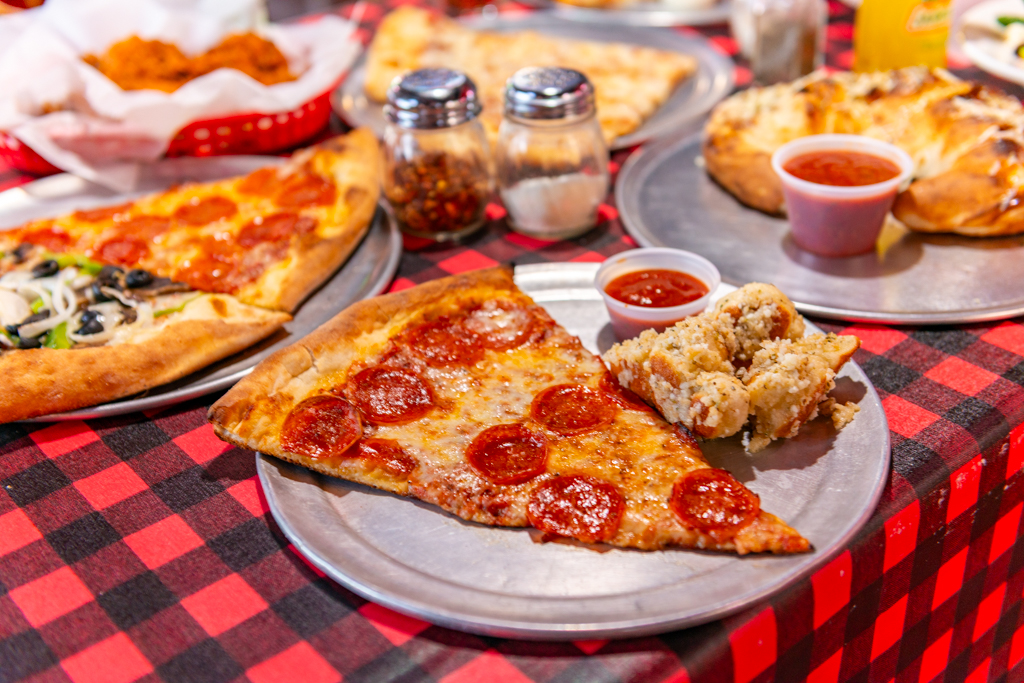

A great pizza restaurant is easy to recognize, even if the reasons are not always obvious at first glance. People often think they are responding to the crust, the cheese, or the sauce, and of course those things matter. But what usually separates a good place from a truly memorable one is a combination of discipline, judgment, and consistency. The best restaurants make hundreds of small decisions well, day after day, service after service, until guests can feel the difference without needing to explain it.
Pizza is deceptively simple. Most menus include some variation of dough, tomato, cheese, and heat. That apparent simplicity is exactly what makes the category so unforgiving. In a complicated cuisine, flaws can hide behind layers of technique or seasoning. In a pizza restaurant, a weak dough, watery mozzarella, rushed bake, or poorly timed service is immediately exposed. There is nowhere to hide.
Over the years, the strongest operators tend to understand one basic truth: people are not only buying pizza. They are buying trust. They want to know that the place they choose on a Friday night will deliver the same pleasure it did last month. They want a room that feels alive but not chaotic, food that arrives hot, and a staff that seems to care about the details. Great pizza restaurants earn repeat business because they make that trust feel justified every time.
It starts with a point of view
The most compelling pizza restaurants usually have a clear identity. That does not mean they need to be theatrical, niche, or overly branded. It means they know what kind of pizza they want to make and why. A restaurant trying to be New York style, Neapolitan, Detroit, tavern style, and artisan farm-to-table all at once often ends up feeling confused. The menu grows, the kitchen strains, and the product loses precision.
Clarity matters because each pizza style demands different choices. Hydration levels, fermentation schedules, flour selection, bake temperatures, oven types, topping weights, and even box ventilation for takeout all change depending on the style. A serious Neapolitan operation cannot be run like a slice shop built for speed, and a high-volume delivery business needs a different strategy than a 40-seat dining room focused on whole pies.
Guests may not describe this as a “point of view,” but they notice the result. They sense when a pizza restaurant knows exactly what it is. The menu reads more confidently. The staff answers questions without hesitation. The pies arrive looking like they came from a kitchen that has practiced this specific product thousands of times, because it has.
Dough is where standards reveal themselves
If there is one area where professionals quietly judge a pizza restaurant, it is the dough. The dough carries the structure, texture, aroma, and much of the flavor. Good toppings can decorate a pizza, but they cannot rescue a poorly made base.
Excellent dough requires patience and a willingness to build systems around time rather than convenience. That means careful mixing, controlled fermentation, thoughtful balling, proper proofing, and a bake that matches the dough’s character. Restaurants that rush fermentation often end up with crusts that are bland, dense, or difficult to digest. On the other side, over-fermented dough can become slack, sour, and difficult to handle during busy service.
The best shops know their local environment intimately. Humidity changes behavior. Flour lots vary. A summer kitchen does not behave like a winter kitchen. An experienced pizza maker can tell by touch if the dough needs a few more minutes to temper before stretching or if it has already gone too far. That kind of judgment rarely appears on marketing copy, but it is often the difference between a crust that tastes alive and one that feels purely functional.
There is also an important business discipline here. Dough management is not glamorous, yet it is one of the strongest signals of operational maturity. A restaurant that regularly runs out of properly proofed dough, or serves pies made from dough that was never ready, is telling on itself. Great pizza restaurants treat dough like a living asset that deserves forecasting, care, and respect.
Sauce, cheese, and toppings need restraint as much as quality
It is easy to talk about premium ingredients as if quality were simply a matter of spending more money. In practice, ingredient quality is about fit. The best tomato for one pizza may be the wrong tomato for another. A fresh mozzarella with high moisture can be beautiful on a blistered, quickly baked pie, but troublesome in an oven or service model that cannot evaporate that extra water fast enough. A fancy cured meat can become overly salty once reduced by heat.
What stands out in a great pizza restaurant is not excess, but balance. Good operators understand that toppings must work with the dough and oven, not against them. They weigh portions carefully because too much sauce leaves the center soupy, too much cheese blocks proper bake, and overloaded toppings make slices collapse. Guests often think generosity means abundance. In pizza, generosity is often better expressed as thoughtfulness.
There is also a discipline to menu design that many places miss. A sharp menu avoids combinations that sound exciting but bake poorly, hold badly, or overwhelm the crust. It takes confidence to remove a popular but flawed pizza from the menu when it consistently causes delays or quality issues. Yet that is exactly the sort of decision mature restaurants make.
Seasonality can elevate a menu, but only if it serves the core product. A short run of local mushrooms, a summer corn pie, or a winter pizza with roasted squash can add energy, but the restaurant still needs a dependable foundation. Guests return for the staples. Specials should show creativity without destabilizing the line.
The oven matters, but the team matters more
A lot of diners fixate on the oven, and not without reason. Wood-fired ovens, deck ovens, conveyor ovens, and gas-assisted systems all shape the final result. Heat transfer changes the color of the crust, the speed of the bake, the moisture of the toppings, and the handling demands on the staff. Equipment matters.
Still, I have seen average ovens produce excellent pizza in disciplined hands, and expensive ovens produce wildly inconsistent pizza in careless ones. The machine is only part of the story. The restaurant needs people who understand oven management in real time. Hot spots shift. Recovery times change as orders stack up. The first pizza after a lull may bake differently from the tenth pizza in a rush. Great pizza restaurants train staff to read these changes rather than simply follow a timer.
That skill becomes especially visible during peak volume. Many kitchens can make a beautiful pizza at 4:30 p.m. With no tickets waiting. The test comes at 7:15 p.m. When the printer does not stop, delivery drivers are crowding the pickup area, and half the dining room wants to split checks. Some restaurants crumble under that pressure. Others stay composed because the team has clear roles, strong communication, and enough practice to protect quality under stress.
Consistency is the quiet superstar
People remember a brilliant meal, but they build habits around consistency. A great pizza restaurant may not serve the single most dramatic pie a guest has ever tasted. What it does instead is far more valuable: it serves very good to excellent pizza all the time.
Consistency comes from systems that are often invisible to customers. Recipes are documented. Portioning is standardized. Prep is checked. Oven calibration is not left to chance. Dough par levels are built on actual sales data rather than wishful thinking. New staff are trained with rigor instead of being told to “figure it out.” Managers taste product. Owners pay attention to shifts in quality before guests start complaining publicly.
This is where many promising pizza restaurants lose their edge after early success. They open with focus, attract attention, then gradually loosen their standards. The dough room gets less attention. Toppings creep upward in weight because nobody wants to seem stingy. The sauce gets sweeter. The crust gets paler because a newer cook is nervous about char. Six months later, regulars cannot always explain what changed, but they stop coming as often.
The best operators guard against drift. They understand that quality usually declines gradually, not suddenly. A great pizza restaurant is often the one that notices tiny slips early and corrects them before they become normal.
Service shapes the memory as much as the food
Pizza can be casual, but casual should never mean careless. Service in a strong pizza restaurant matches the style of the place while still feeling competent and attentive. In a neighborhood spot, that might mean a counter staff that moves quickly, remembers familiar faces, and keeps the line organized. In a full-service dining room, it may mean smart pacing, confident recommendations, and a server who knows how to course salads and pies without making the table feel rushed.
Hospitality shows up in practical details. Water glasses get refilled. Dirty plates disappear quickly. Takeout orders are packed accurately. Online pickup times are realistic instead of optimistic. The room is noisy in a lively way, not in a way that makes conversation exhausting. Bathrooms are clean. High chairs are available without drama. These are not glamorous touches, but they determine whether people feel cared for.
One of the clearest marks of a strong operation is how it handles mistakes. Every restaurant misses a topping, burns a pie, delays an order, or sends out the wrong box now and then. Guests are surprisingly forgiving when the response is direct and respectful. What frustrates people is defensiveness, confusion, or indifference. A manager who acknowledges the issue, fixes it quickly, and treats the guest like a person rather than a problem can preserve loyalty even after a bad moment.
The room should feel intentional
Atmosphere is not about expensive design. Some excellent pizza restaurants have plain floors, simple chairs, and walls that have seen years of use. What makes the room work is coherence. The lighting, music, table spacing, counter flow, and visual cues all support the type of experience the restaurant wants to deliver.
If the concept is family-friendly, the room needs to accommodate groups, movement, and a little noise without feeling disorderly. If the restaurant leans toward date-night energy, the lighting and pacing should reflect that. If it is built around slices and quick turnover, the layout should make ordering intuitive and waiting tolerable.
A common mistake is designing for appearance rather than operations. A beautiful dining room with terrible acoustics can become punishing by 6:30 p.m. Stylish tabletops that are too small for pizza stands, plates, drinks, and side dishes create daily friction. A pickup shelf placed directly in the path of dine-in traffic guarantees congestion. Great pizza restaurants solve these practical issues before they become part of the guest experience.
There is also something to be said for signs of life. A little flour on an apron, the smell of dough baking, the sight of pies moving from peel to oven, these cues reassure guests that real work is happening. The room should feel active and honest, not overproduced.
Value is more than price
Many people equate value with low cost, but that is only one part of the equation. A pizza restaurant stands out when guests feel the experience was worth what they paid. That might mean a modestly priced neighborhood pie that feeds a family without cutting corners. It might also mean a higher-priced artisanal pizza that uses expensive ingredients and skilled labor, provided the quality supports the charge.
Trouble starts when pricing and product are out of sync. If a restaurant charges premium prices but skimps on topping quality, service, or portions, guests notice immediately. If it keeps prices artificially low while ingredient and labor costs climb, quality often erodes behind the scenes. The best operators know their numbers and price with honesty. They understand what their market can bear, but they also know what it costs to make a pizza properly.
Portioning plays into value as well. Some restaurants chase perceived generosity with oversized pies loaded to the edge, only to produce soggy slices and food waste. Others serve smaller, cleaner, better-composed pizzas that leave guests satisfied rather than overstuffed. Value is not just about how much food lands on the table. It is about whether the food delivers pleasure and feels fair.
A standout pizza restaurant respects both dine-in and off-premise guests
This has become one of the biggest separators in recent years. A restaurant may serve excellent pizza in-house and still disappoint a large share of customers if it has not adapted for takeout and delivery. Pizza is uniquely vulnerable in transit. Steam softens crusts. Toppings slide. Heat fades quickly. The pie that looked perfect at the pass can arrive ten minutes later in far worse condition.
Strong operators treat off-premise dining as its own craft. They test boxes. They think about venting. They adjust slice cuts for structural integrity. They may slightly underbake or rebalance toppings on certain pizzas to ensure the final product arrives in good shape. They train staff on packing, labeling, and order checks with the same seriousness they apply to line cooking.
A few practical habits make an outsized difference:
- Set realistic wait times, especially on busy nights.
- Use packaging that protects texture, not just temperature.
- Separate hot items from cold ones when possible.
- Double-check modifiers before sealing the order.
- Design a pickup process that does not punish dine-in traffic.
None of these steps are complicated, but together they communicate professionalism. A great pizza restaurant understands that the guest eating at home deserves the same care as the guest sitting near the oven.
Staff culture shows up on the plate
Restaurants like to talk about culture, but in a pizza operation it becomes visible very quickly. A team that feels respected tends to move with more confidence and less friction. Cooks communicate better. Counter staff stay calmer under pressure. Managers step in before problems spread. Training sticks because people are not cycling out at an unsustainable rate.
This matters because pizza service is physically repetitive and often intense. Dough boxes are heavy. Ovens run hot. Rushes come in waves. When staffing is thin or morale is poor, quality suffers almost immediately. Cornicione burns while the center stays pale. Salads wait too long in the window. Tickets stack up. Someone forgets the gluten-free protocol. Guests may never know the internal cause, but they feel the result.
The best pizza restaurants usually have a few quiet signs of a healthy workplace. Staff meals happen. New hires are coached rather than mocked. Shifts have enough coverage to avoid constant triage. Standards are high, but panic is not the default management style. That stability becomes part of the product.
Great restaurants leave room for regulars
A standout pizza restaurant often becomes part of the rhythm of a neighborhood. It is the place where a family comes after soccer, where a couple shares a pie at the bar on Thursdays, where a solo guest knows exactly which slice to order. That kind of loyalty is not won through gimmicks. It is built through familiarity, reliability, and small acts of recognition.
Regulars do not need exaggerated attention. In fact, they usually prefer the opposite. They want to be remembered just enough. The server recalls their favorite beer. The counter person knows they like extra chili flakes. The kitchen can split a pie the way they always request without acting burdened. These moments matter because they turn a transaction into a relationship.
Restaurants that chase constant novelty sometimes overlook this. Specials and collaborations can bring excitement, but they should not come at the expense of the dependable core that made people care in the first place. A great pizza restaurant gives guests a reason to return, then rewards that return with competence and warmth.
Reputation follows the smallest habits
When people describe why a pizza restaurant stands out, they often mention one or two obvious things first: the blistered crust, the bright sauce, the excellent pepperoni cups, the energy in the room. But reputation usually rests on a much broader foundation. It is the accumulation of small habits done well for a long time.
The dough is fermented properly even when the week gets hectic. The ovens are watched, https://gravatar.com/ruffranoshellskitchenpizzasecurity not assumed. The mozzarella is drained as needed. The host tells the truth about wait times. The takeout order is packed with care. The floors are clean enough that guests notice only subconsciously. The pizza arrives hot, cut correctly, and tasting like the restaurant intended.
That is what makes a great pizza restaurant stand out. Not one flashy move, but a long chain of good decisions, repeated consistently, guided by a clear point of view. The restaurants that last are rarely perfect. They are simply serious about the craft, honest about the business, and attentive to the guest. In a category as crowded and familiar as pizza, that level of discipline still feels special.
RUFFRANO'S HELL'S KITCHEN PIZZA Security
385 Main St, Colorado Springs, CO 80911
(719) 390-4355
FAQ About pizza restaurant
Is there a Hell's Kitchen pizza restaurant in Security-Widefield?
Yes. Ruffrano's Hell's Kitchen Pizza has a Security-Widefield location at 385 Main St.
Where can I find pizza delivery in Security-Widefield?
Ruffrano's Security location offers online ordering. Enter your address at checkout to check delivery availability and fees.
Where can I find gluten-free pizza in Security-Widefield?
Ruffrano's menu lists a 12-inch gluten-free option. Call the Security location to confirm availability and ask about shared equipment if cross-contact is a concern.